

The Future is Abstract
You do know. For yourself. And what you know is valid.

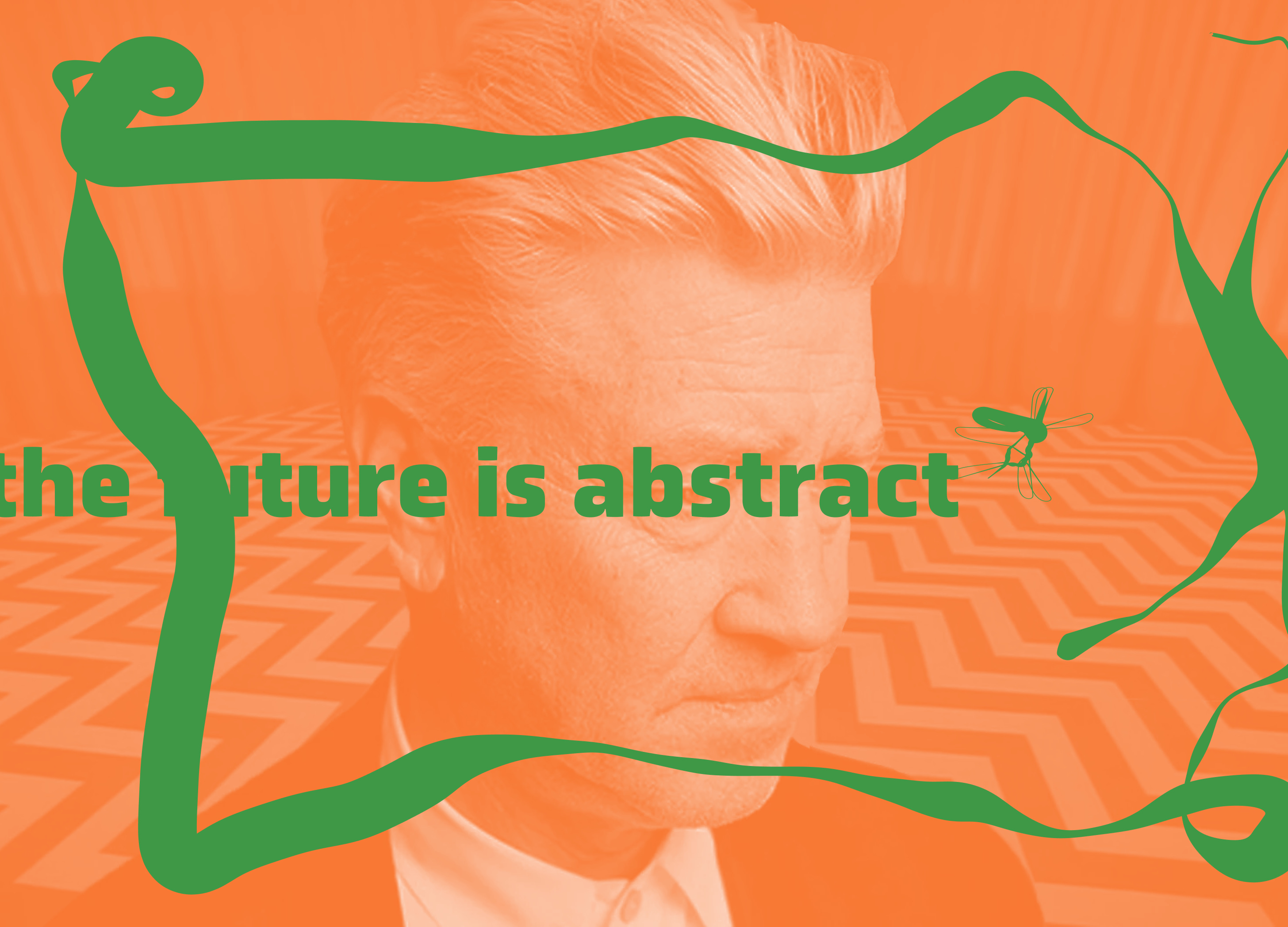
I just finished a week homebound and finally watched Twin Peaks: The Return—something I’d been postponing for years. (Wait… has it really been a decade?)
Two ideas have been guiding my work lately:
brand as story, and abstraction as a launching pad for infinitely generative systems.
I realized both are found in Lynch’s work, so I looked deeper into what the Master of abstraction had to say:
On Abstraction
“An understanding comes inside you, and I think people should trust the understanding that comes to them from the experience.”
On Interpretation
“…if you go, after a film, withholding abstractions, to a coffee place, having coffee with your friends, someone will say something, and immediately you’ll say “No, no, no, no, that’s not what that was about.” You know? “This is what it was about.” And so many things come out, it’s surprising. So you do know. For yourself. And what you know is valid.”
In earlier posts, I’ve written about design shifting from construction of form to the formation of knowledge. This is where abstraction matters most: it connects us to intuition—and opens the door to infinite generation.
If you’re curious, below a short interview clip where Lynch speaks directly to this. He also refers to abstraction in his 2006 book, Catching the Big Fish.
Diego
